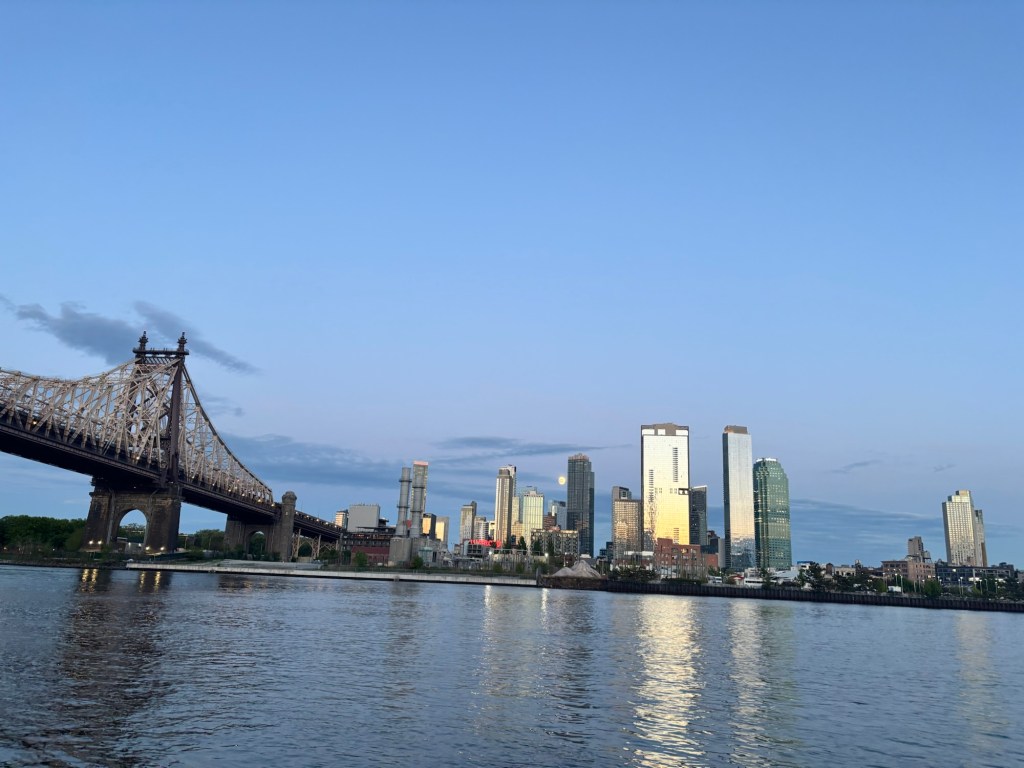
After two years in Vermont, I’ve grown accustomed to the small town lifestyle and rural environment here. It’s quiet, there’s ample nature, beautiful scenery, and great food. But after a recent trip to NYC, it really made me realize how many advantages there are living in the city as opposed to a more rural location.
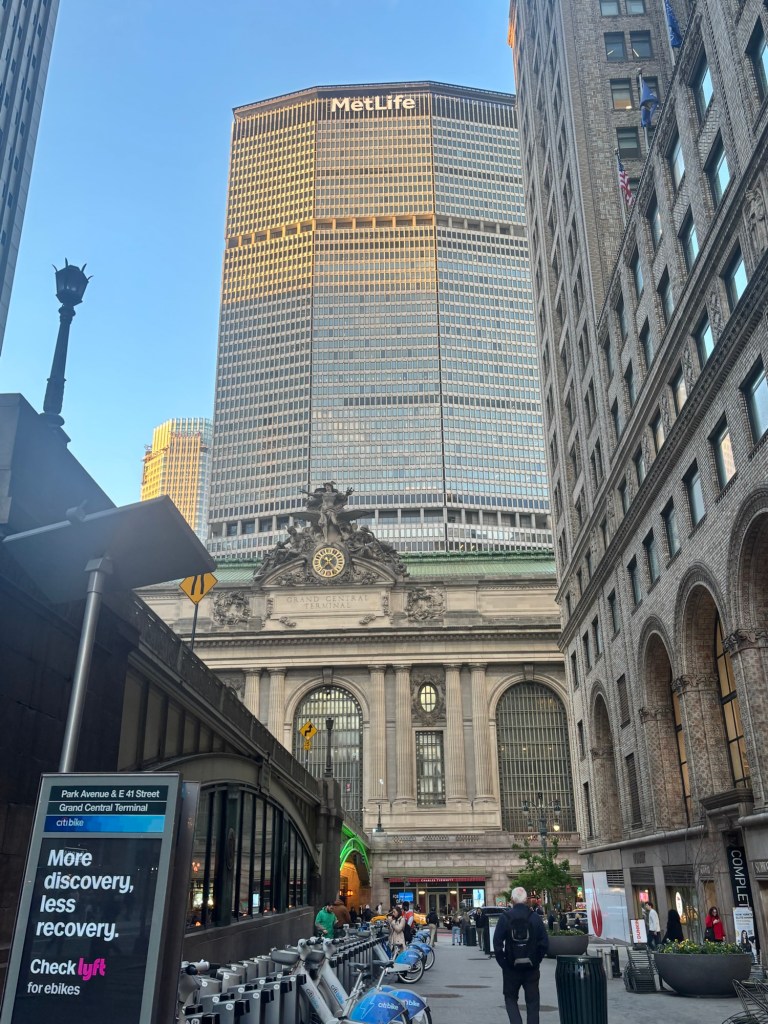
The interconnectedness and access to public transportation is a major draw to life in the city. Many people walk, bike, or take the subway or taxi. I’m sure people still have cars, especially the rich folks, but it would be easy to be completely car free in NYC.
In Vermont, much of the infrastructure is car dependent, with many villages and towns separated by each other for miles. These places are only connected by roadway and maybe a few bus lines and an Amtrak that doesn’t have consistent service to allow people to travel robustly between these areas.
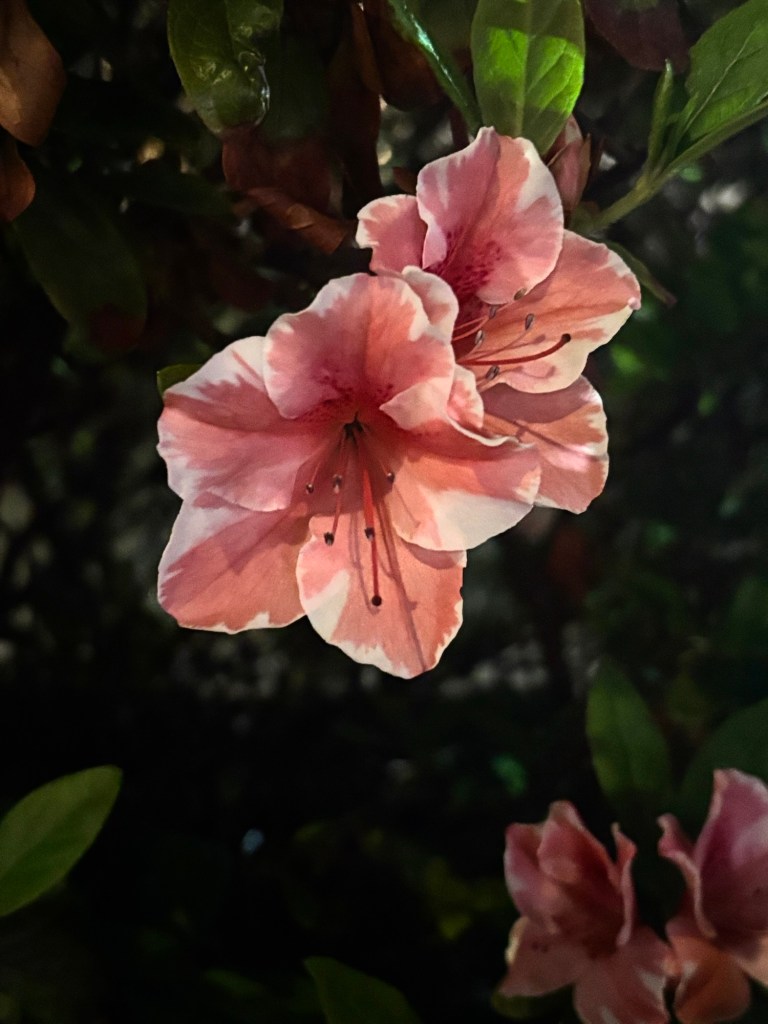
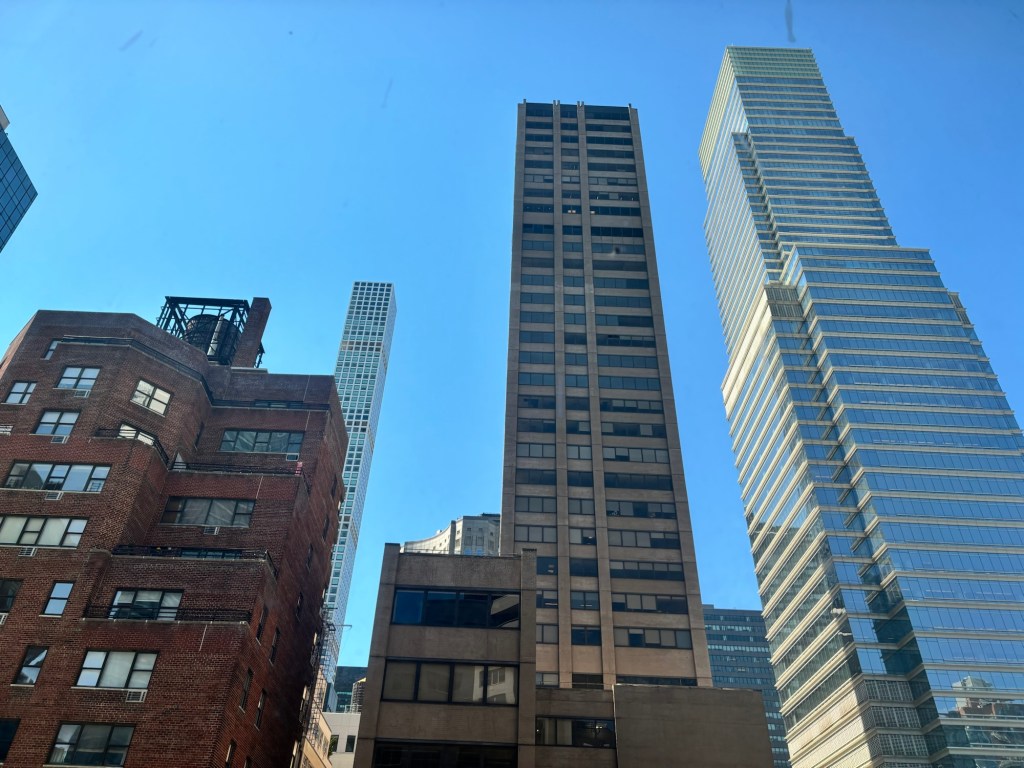
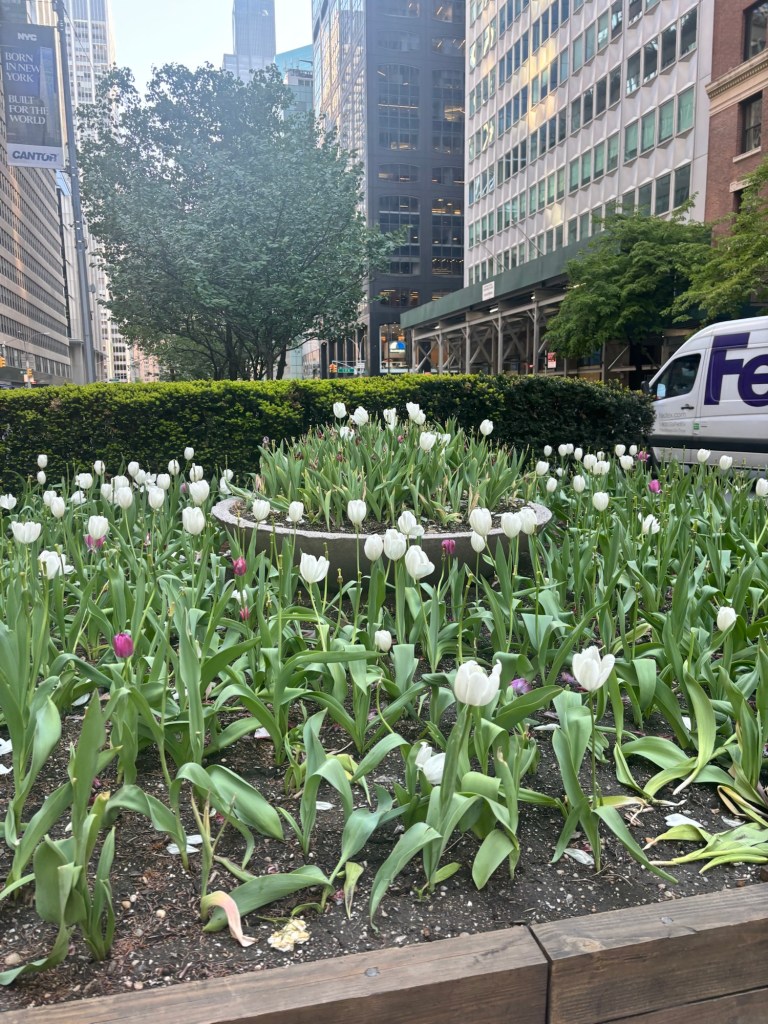
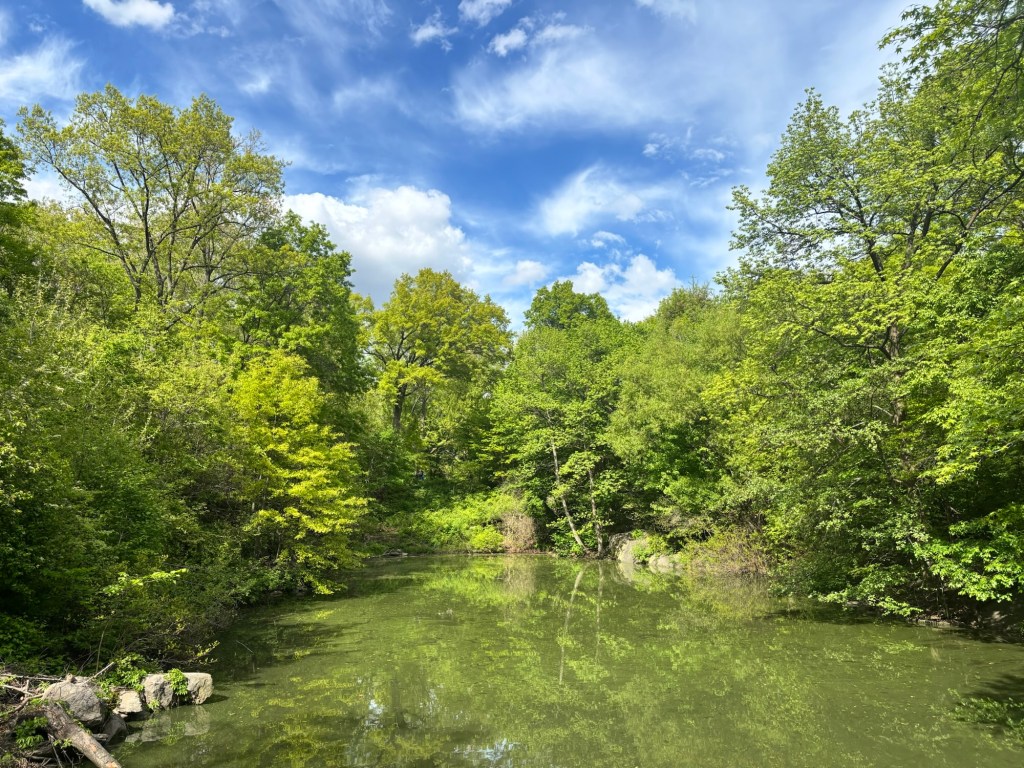
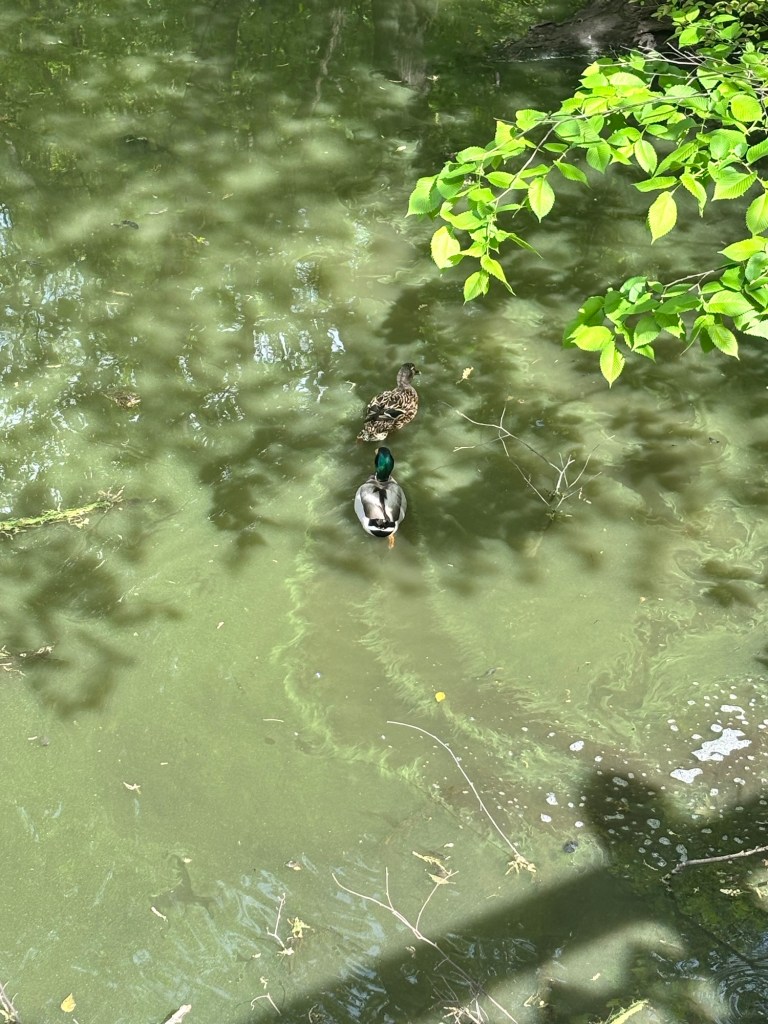
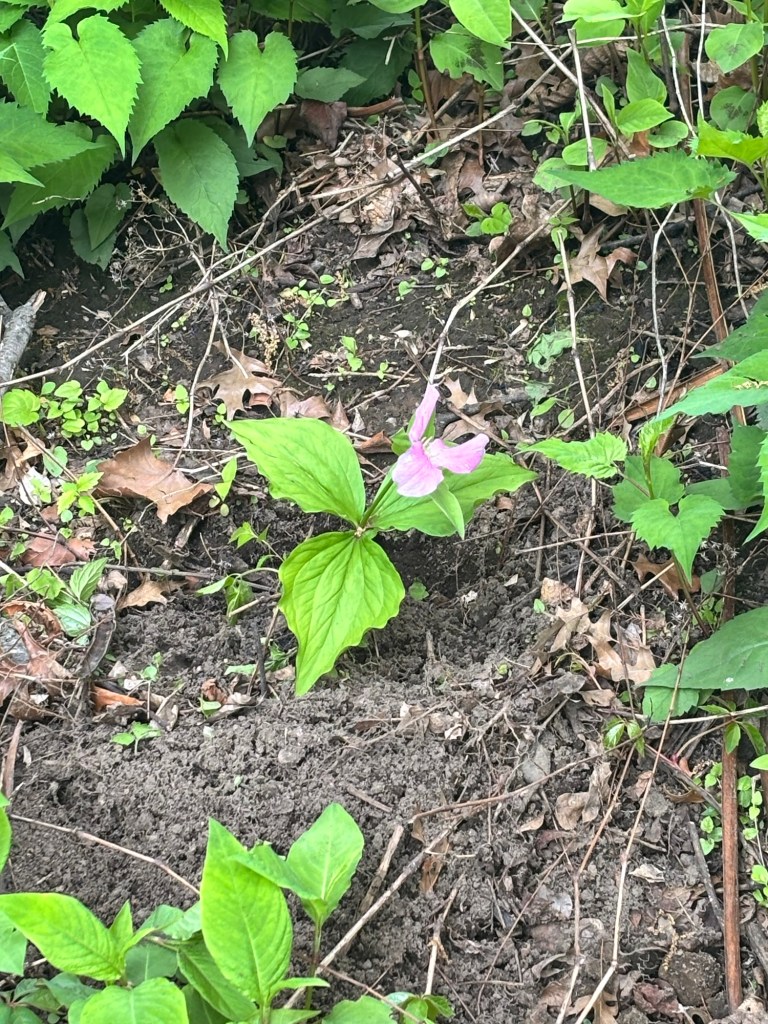
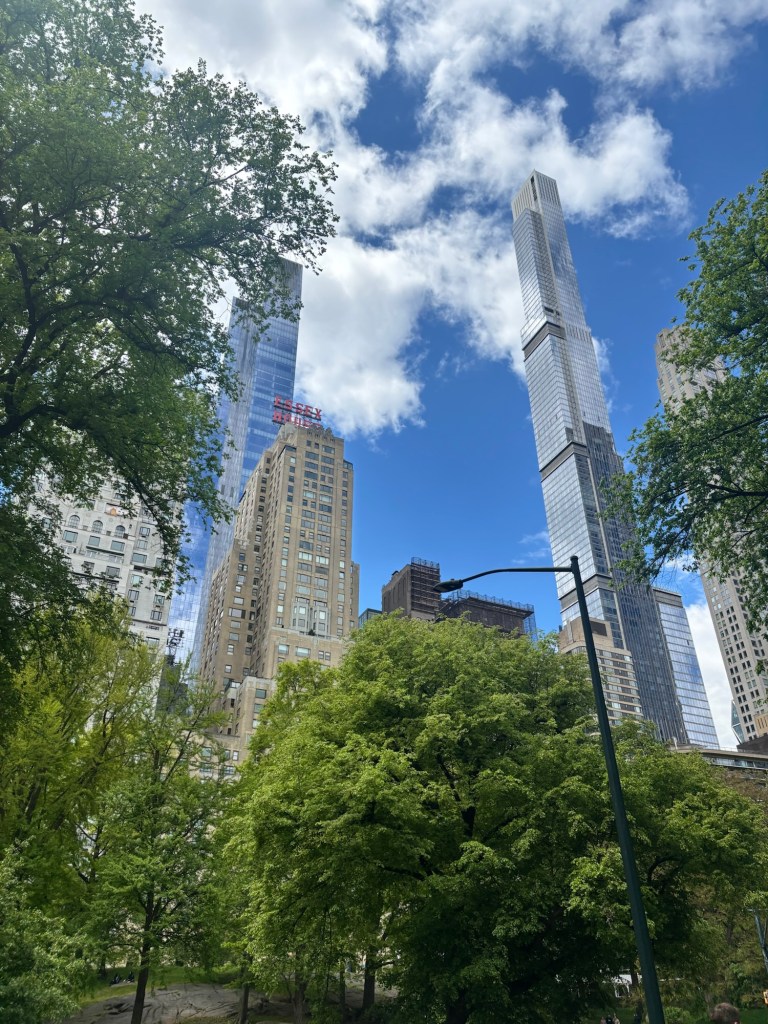
NYC is like a ton of tiny little village-towns all merged together on an island on the Atlantic Ocean. No, you won’t find large expanses of nature where the crickets chirp or a black bear can thrive, but there are city parks where you can see mallards and robins, and to my surprise I found trillium growing in Central Park. There was one particular street that was filled with blooming tulips, and it was absolutely divine.
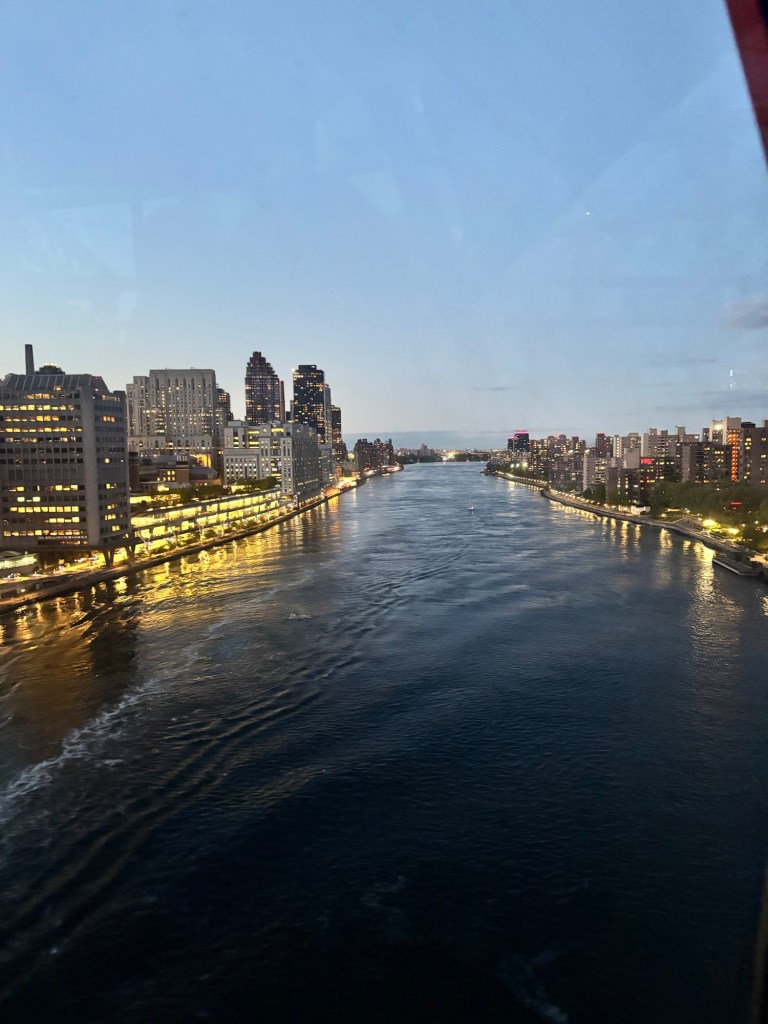
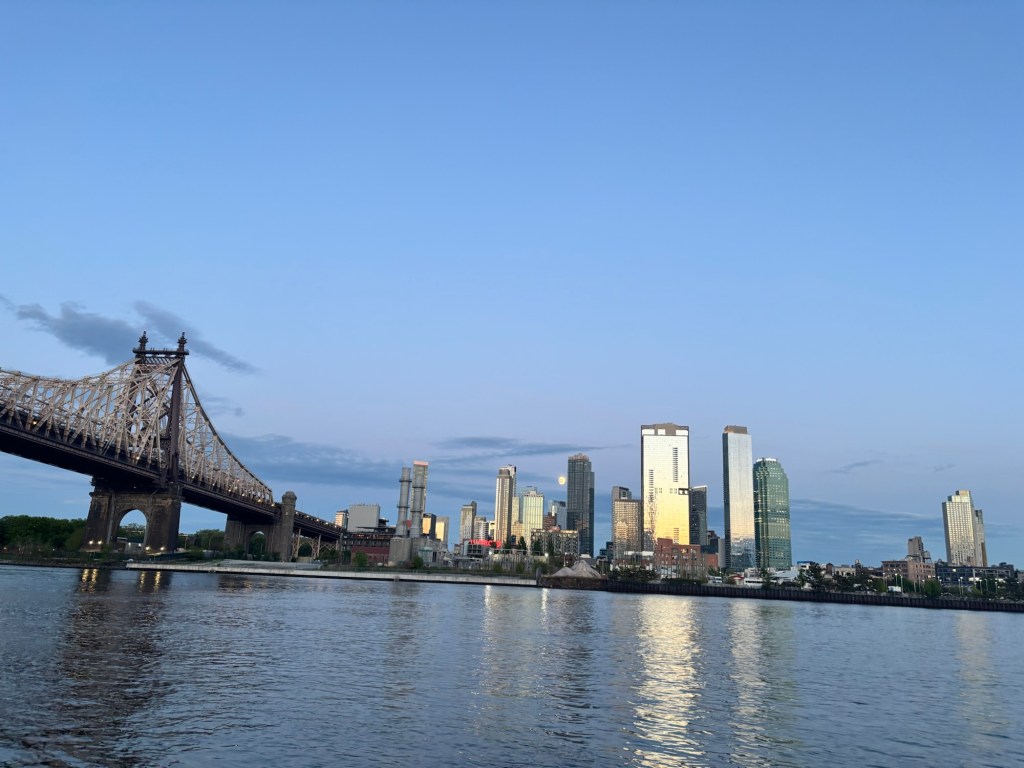
Water surrounds the city, so it’s not hard to be connected to nature in that aspect. We took a trip to Roosevelt Island just east of Manhattan, and I walked along a concrete path with late blooming cherry blossoms. They aren’t native, but they were beautiful.
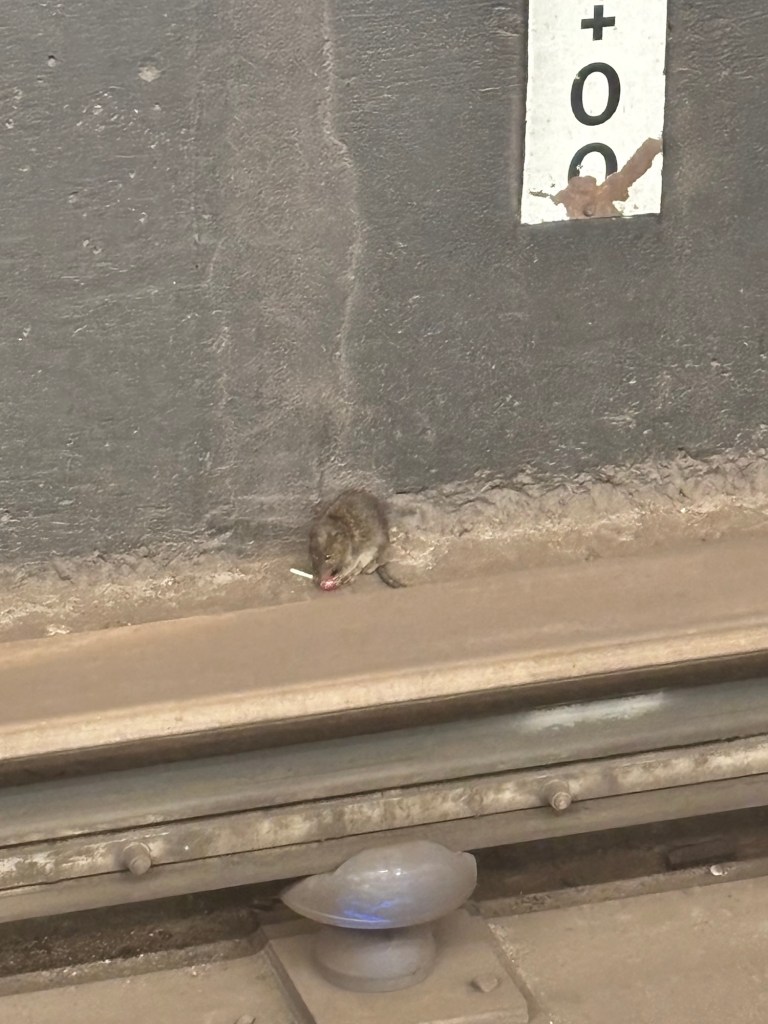
My partner and I spent a good chunk of our time looking for rats in NYC. Some brief research revealed that NYC’s rat population is about a third of their human population. Finally after a couple of days scouring the subway with the keen eye of a naturalist, we spotted a rat munching on a red sucker.
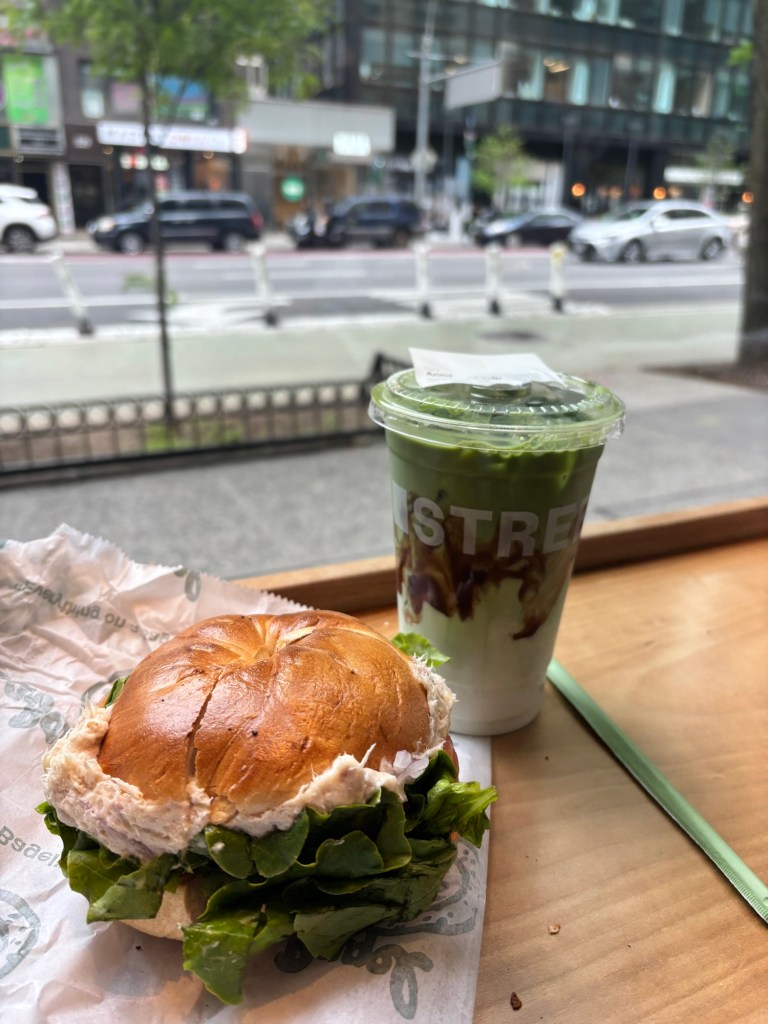
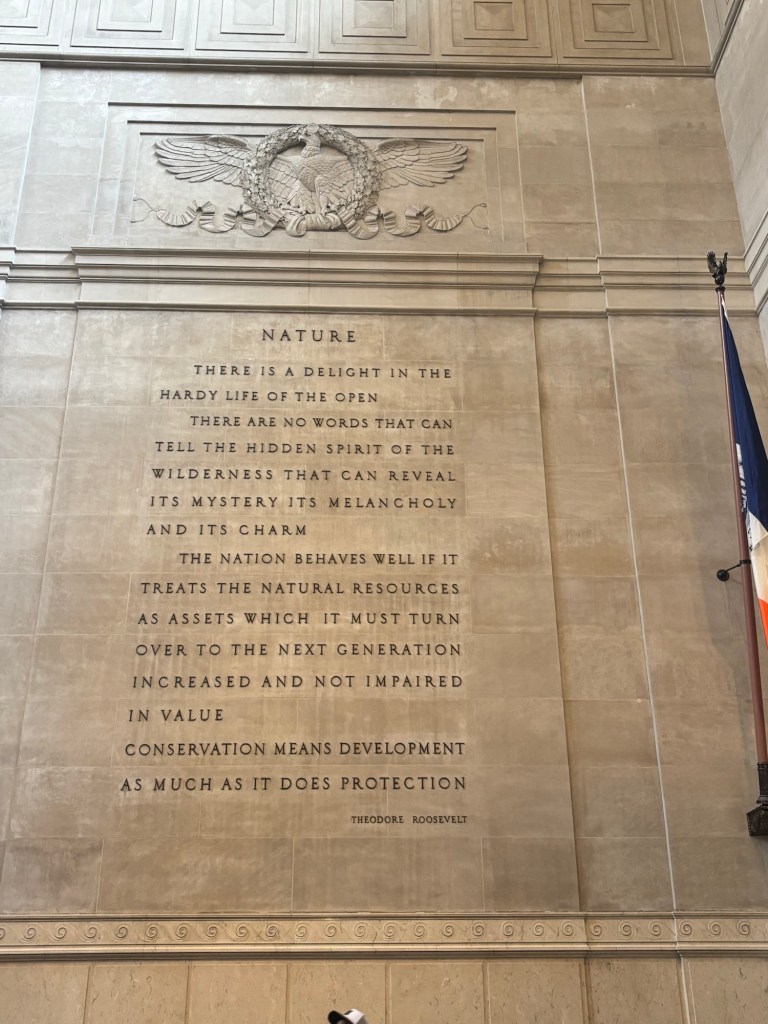
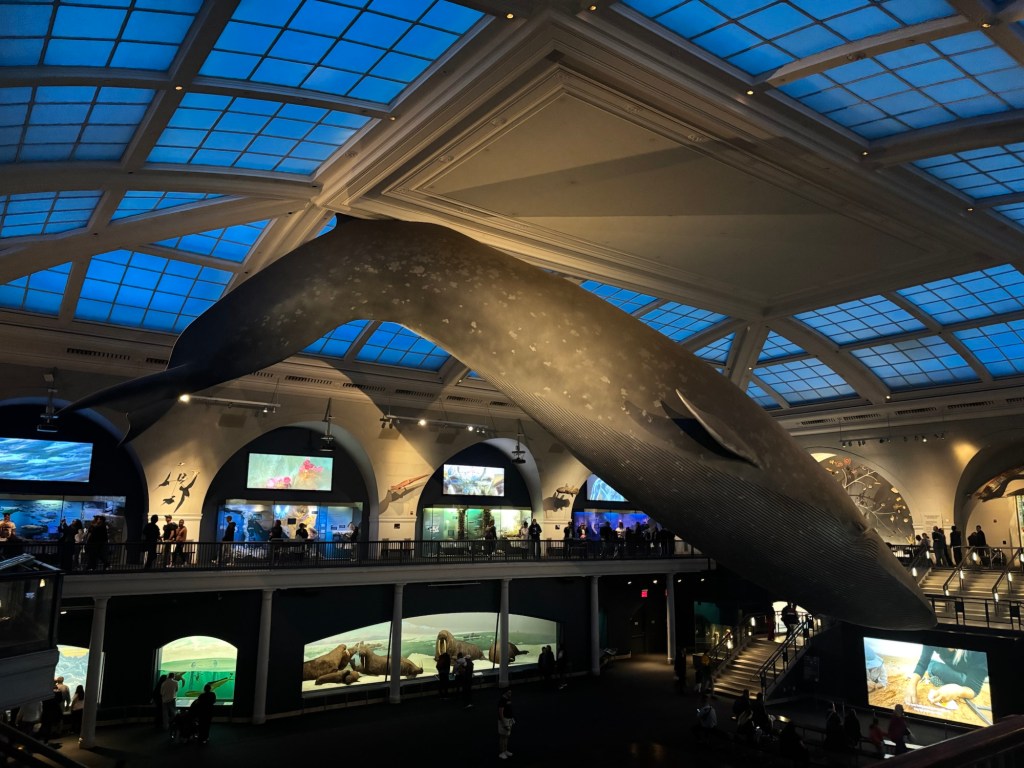
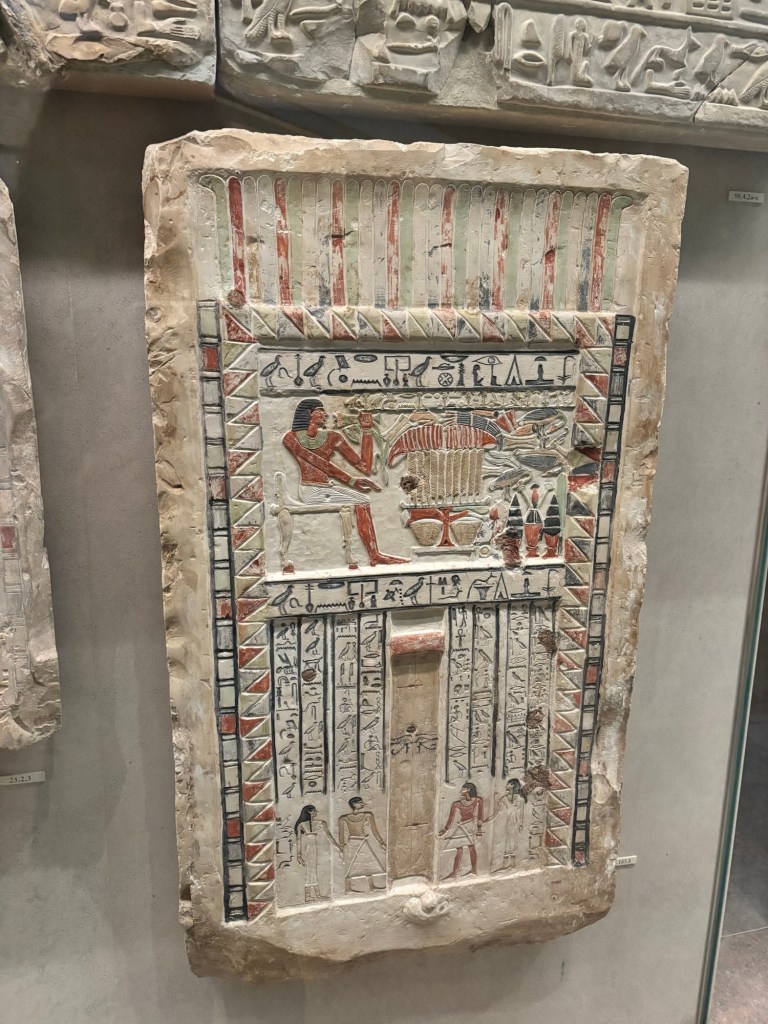
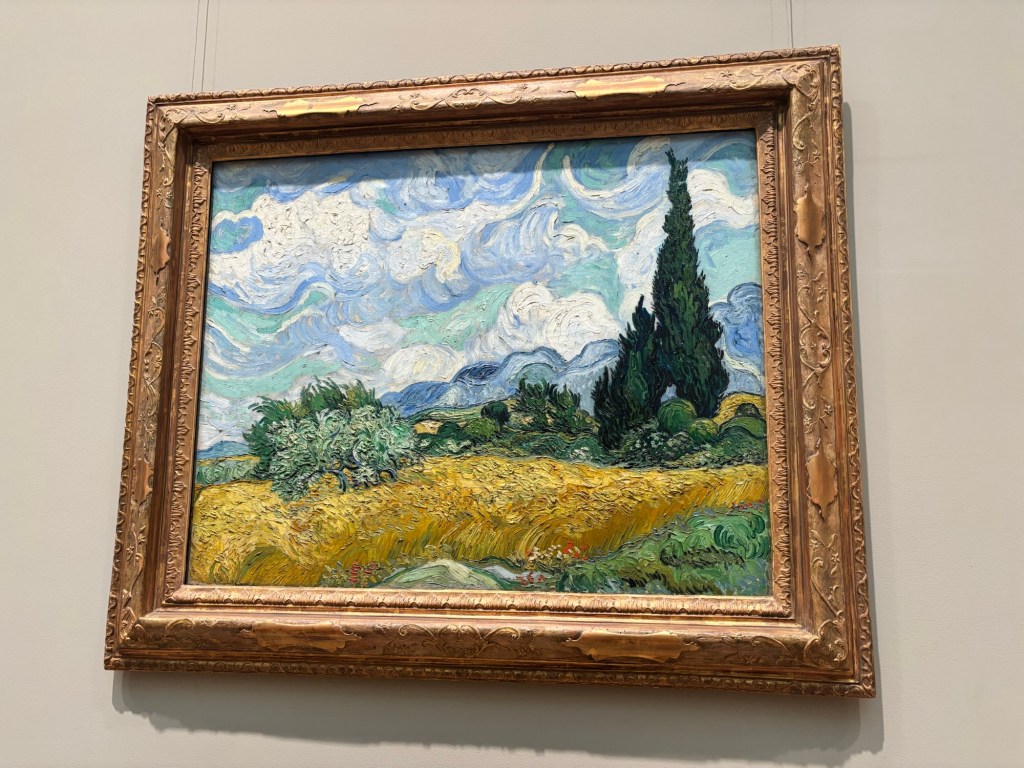
It was so refreshing to have access to robust amenities, such as coffee and tea shops filled with the murmur of humans even at 12 am, live music venues, musicians playing on the street, access to different cultural foods, comedy shows, state of the art museums such as the MET and the Natural History Museum. People were busy living their lives, and there was a distinct pulse running through every street I walked on. It truly was a place where dreams come true.
I have lived the majority of my life in the suburbs and have avidly avoided living in such a densely populated area, namely because I thoroughly enjoy the expanse of the open country and love watching the seasons around me change. But this trip to NYC, something in me changed.
I have a dream to be a writer, an artist, an environmental advocate. It felt conflicting to feel a draw to a concrete jungle that is the epitome of resource extraction. But rural life without strong connections, family, friends, and communities leaves you craving human companionship. It is hard out here. There are distinct challenges like overcoming boredom and isolation, on top of the cold winters. The access to amenities isn’t the worst, but the options are slim.
I remember writing in my journal a while ago about Middlebury, Vermont, where I am currently living, and how it is a case study in a walkable small town. There is a trail that traverses the entire perimeter of the town, and it is not hard to get around here on foot. But there is maybe one bar (if you can call it that), a couple coffee shops with limited seating and hours, only a handful of food options, a dying movie theatre, and many shops in the downtown area catered to tourists.
It is a wonderful place to live, but where do you go when your dreams feel too big for your town? Where do you go when all you want to do is work to protect nature and scream to the rooftops to the entire human population that we need to be doing a better job stewarding our environment? Perhaps that is NYC, where a population of 9 million people exist and probably millions of other tourists who travel through there.
It really got me thinking. The majority of people live in cities. And, the majority of people are not connected to nature in a deep or meaningful way that would lead them to advocate for the protection of it. So in a way, there is a lot of work to be done on the environmental side in cities, even if it seems counterintuitive.
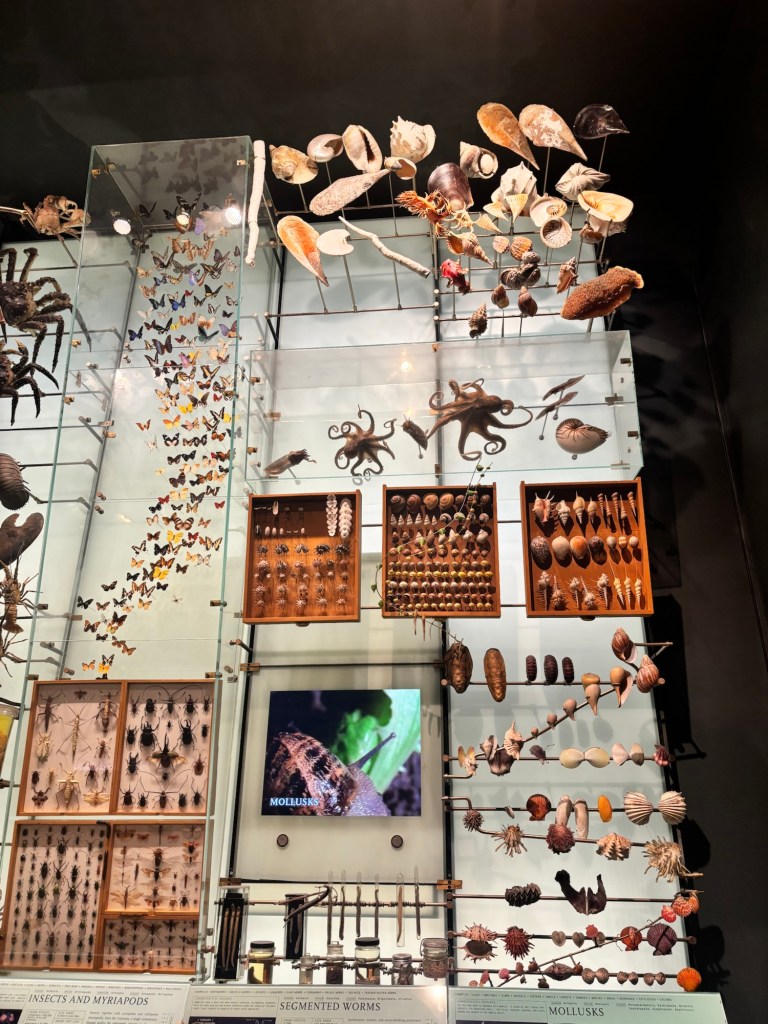
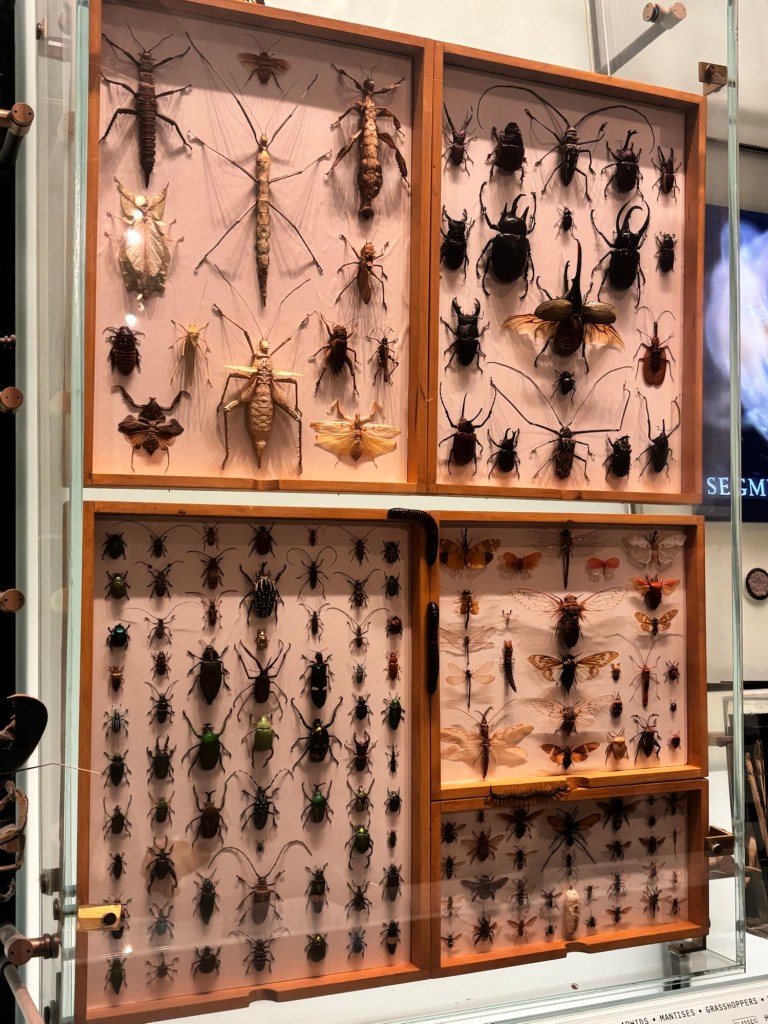
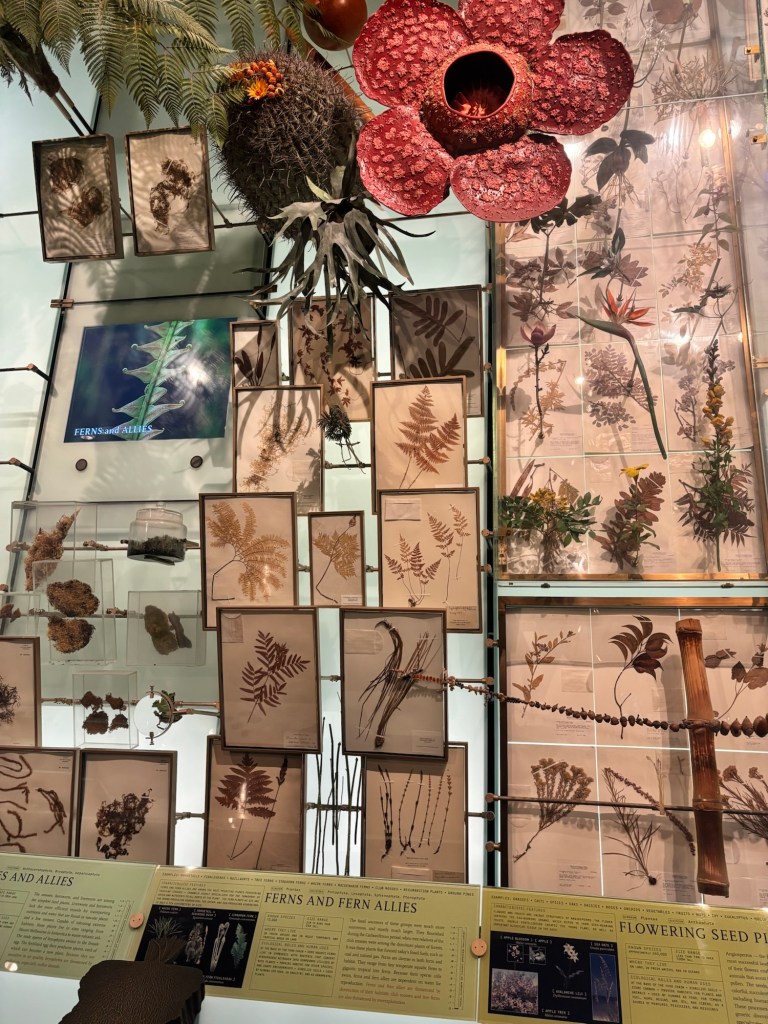
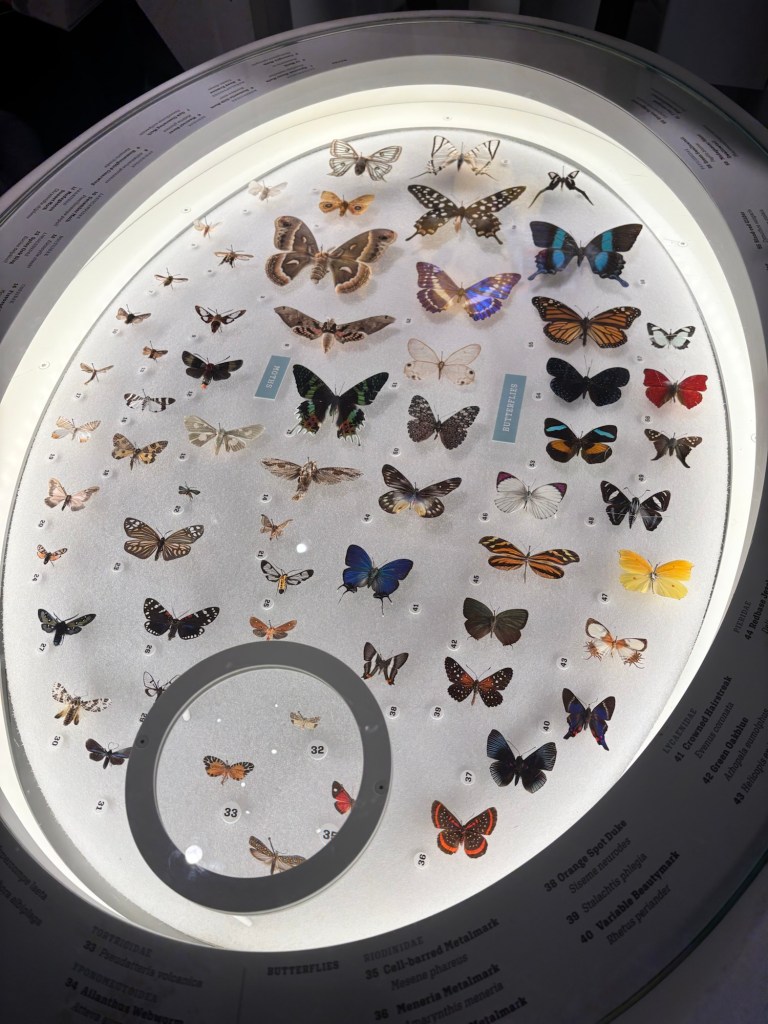
Spring time in New York City, where the blooms fit neatly into tiny landscaped rectangles and the majority of the insect and plant diversity is housed in a natural history museum, pressed and propped up for display. Nature is not wild there, it is tamed. And for many New Yorkers, that is enough for them.


Leave a Reply